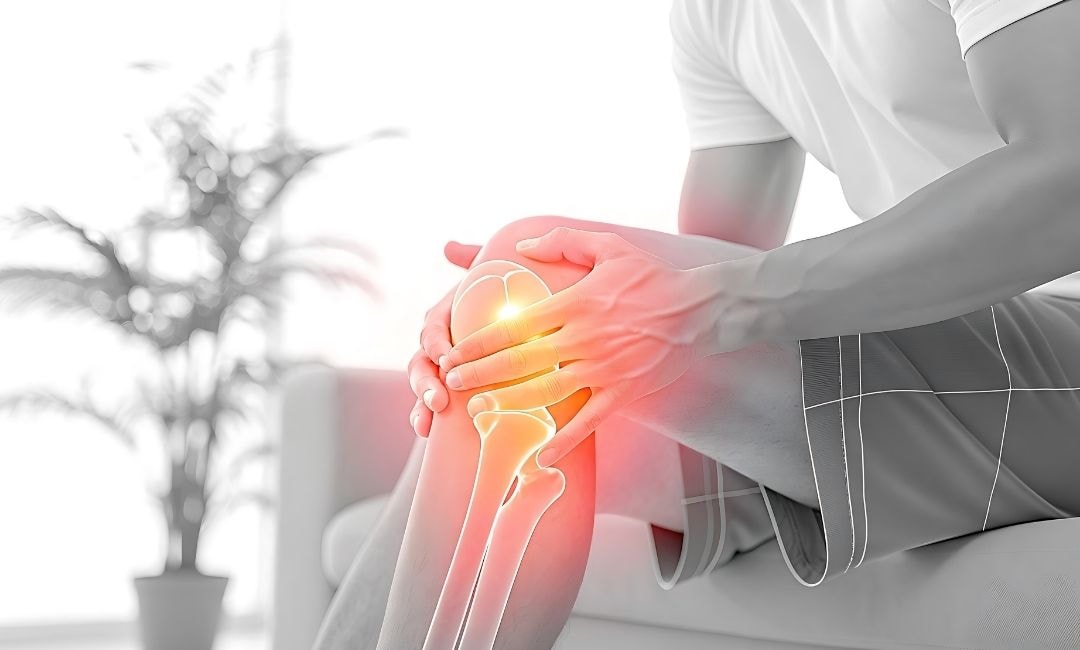
Peptides Supporting Research Into Inflammation Control During Bone Recovery
Peptides are receiving attention in research examining how the body manages swelling during bone repair. After an injury, controlled inflammation helps begin natural rebuilding, while excessive activity may slow progress. Current work examines signals linked with immune responses, tissue repair, and cell communication. These findings may guide future research into balanced recovery pathways for those seeking to order peptides for bone healing.
Inflammatory Signals During Recovery
Inflammation is an early part of the body’s response after bone damage. Research examines signals that help coordinate immune activity near injured tissue. Balanced signaling may support the transition from early defense toward repair. This area also considers how cellular messages change during recovery stages.
Cellular Communication In Bone
Bone repair depends on communication between different cells within damaged tissue. Peptides may influence signals involved in cell movement and tissue rebuilding. Researchers examine these interactions to understand changes around healing areas. Such work may clarify how local responses affect rebuilding processes.
Managing Excess Immune Activity
Excessive immune activity can create conditions that may interfere with tissue recovery. Research explores ways biological signals could help maintain a measured response. Researchers examine inflammatory messengers linked with changes in damaged bone. Understanding these patterns may help identify useful directions for future studies.
Signals Linked With Tissue Repair
Certain biological signals are studied for their possible role in repair processes. Researchers examine whether these signals affect cells involved in rebuilding tissue. Areas of interest include cell movement, local communication, and structural renewal. These observations help connect inflammation control with broader recovery patterns.
Research Areas Under Review
Current research considers several factors when examining inflammation during bone recovery.
- Cellular signals may influence the timing of local immune responses.
- Tissue conditions can affect communication between nearby repair-related cells.
- Recovery stages may involve changing levels of inflammatory activity.
- Peptides are examined for interactions with pathways controlling cellular signals.
- Future studies may compare responses across different healing conditions.
Research also considers how biological signals interact within the surrounding tissue. These observations may help explain why recovery patterns differ between situations. Those interested in peptide research may order peptides for bone healing only after considering scientific guidance, product quality, and appropriate professional advice.
Research into inflammation control during bone recovery remains an evolving area. Peptides may offer useful research targets for understanding cellular communication during repair. Careful study of timing, signaling, tissue conditions, and immune activity can provide clearer direction. Any future application should rely on stronger research, suitable oversight, and careful assessment of safety.
FAQs
Can peptides influence inflammation during bone recovery processes?
Research examines their possible influence on cellular inflammatory signals.
Why is inflammation studied during bone repair research?
It helps researchers understand early responses surrounding damaged tissue.
What factors affect inflammation during bone recovery research?
Timing, cellular signals, tissue conditions, and immune activity matter.